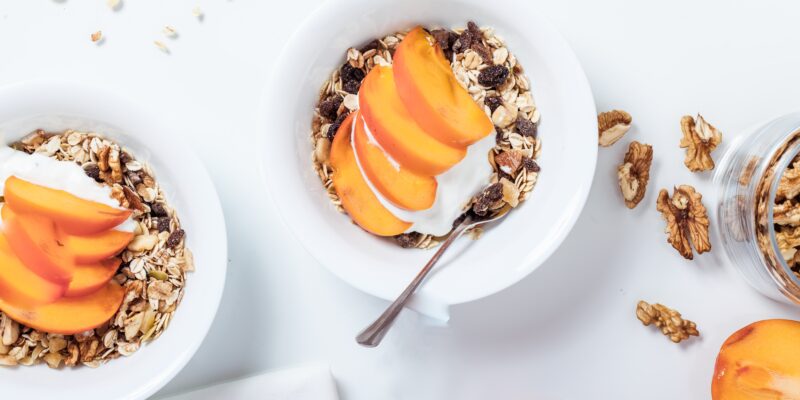
Bloating, gas, constipation, and digestive discomfort are incredibly common among dancers, but they don’t automatically mean you’re eating the “wrong” foods. From fueling and meal timing to stress, training load, and gut-brain health, there are many factors that can influence how your digestive system feels. In this guide, we’ll unpack what may be behind digestive symptoms and how to support your gut without unnecessary restriction.
Read More...
Nutrition Tips for Dancers Heading Back to School
Back-to-school season means busy schedules, long days, and plenty of transitions for dancers. Between academics and dance, consistent nourishment can easily become an afterthought. My updated A Dancer’s Back-to-School Checklist shares practical nutrition strategies, snack ideas, and essentials to help dancers feel supported throughout the school year.
Read More...
Are Seed Oils Unhealthy? The Truth About Seed Oils and Your Health
Seed oils have become one of the most controversial topics in nutrition, but are they actually unhealthy? From inflammation and omega-6 fats to cooking and processing, there’s a lot of conflicting information out there. Let’s look beyond the social media headlines and unpack what the research really tells us about seed oils and health. Spoiler: you probably don’t need to fear the oil in your pantry.
Read More...
Food Sensitivity Tests: Unraveling the Controversy
Food sensitivity tests promise a simple answer to a complicated question: Which foods are causing my symptoms? But many popular at-home tests cannot actually diagnose food sensitivities, and their results can lead to unnecessary restriction, anxiety around food, and delayed medical care. For dancers, this matters even more, because a growing list of “foods to avoid” can quickly interfere with adequate fueling and a healthy relationship with food. This blog post unpacks the controversy.
Read More...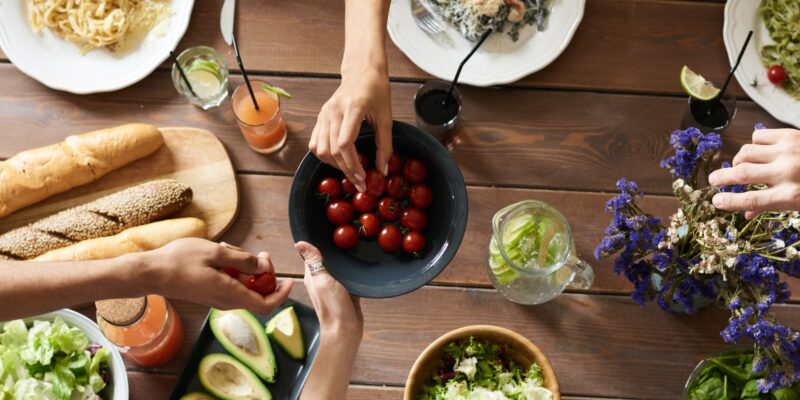
Dining Out Without Stress: Is It Possible for Dancers?
Dining out is meant to be joyful—good food, good company, good memories. But for many dancers navigating food rules or disordered eating, restaurant meals can trigger real stress and anxiety. In this guide, registered dietitian Rachel Fine explains why dining out feels so hard for dancers and shares five practical, judgment-free tips to make it easier. Learn how to fuel beforehand, focus on the experience, welcome discomfort, embrace flexibility, and use visualization to dine out without food rules.
Read More...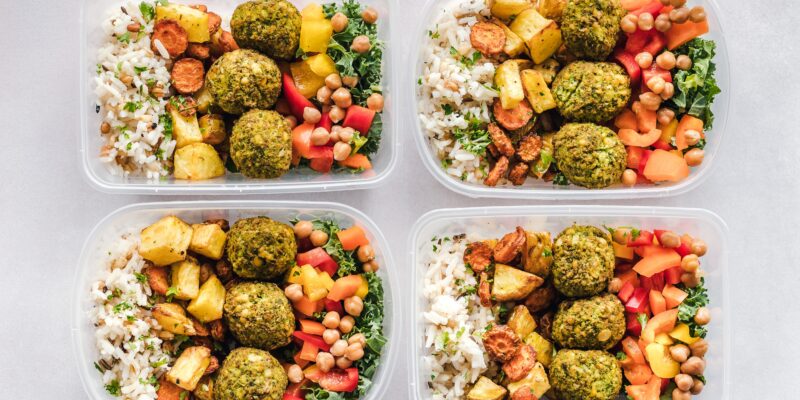
Not Hungry as a Dancer? 5 Reasons + How to Regain Hunger Cues
Feeling “not hungry” might sound impossible if you have a larger appetite — but for dancers, a disappearing appetite is surprisingly common. Missing hunger cues can stem from a packed schedule, chronic under-fueling, over-exercising, natural energy fluctuations, or emotions like stress. The good news: each cause has a clear, supportive fix. Here are the five most common reasons your hunger goes M.I.A. and how to get it back.
Read More...
Hypermobility in Dancers: The Role of Nutrition, hEDS & HSD
For many dancers, hypermobility feels like a gift in the studio — but “bendy” and “double-jointed” bodies come with nuances worth understanding. When hypermobility presents alongside joint instability, conditions like HSD and hypermobile Ehlers-Danlos syndrome can affect everything from digestion to injury risk. Nutrition plays an often overlooked role in managing symptoms, and in protecting hypermobile dancers from an elevated risk of disordered eating. Here’s what every hypermobile dancer should know.
Read More...
Are Genetically Modified Foods (GMOs) Safe? A Dietitian Explains the Science
Have you ever picked up a snack labeled “Non-GMO” and wondered whether it was actually healthier? With so much nutrition misinformation online, it’s easy to feel uncertain about genetically modified foods. Here’s what the research really says about GMOs, how they’re regulated, and why dancers don’t need to fear them. Let’s separate the science from the marketing.
Read More...
How to Overcome Restrictive Food Thoughts
Ever finished a meal weighed down by guilt, or labeled a food as completely off-limits? For dancers, restrictive food thoughts don’t always involve cutting calories; sometimes the restriction lives entirely in your head. Here are five research-informed ways to notice those thoughts, question them, and build a more liberated relationship with food.
Read More...
Am I Ready for Intuitive Eating?
Loosening the reins at mealtimes is the goal for many dancers healing from restrictive eating, but intuitive eating isn’t always the right first step. As a Registered Dietitian, I often see dancers rush toward “eating intuitively” before their bodies are ready, which can quietly stall recovery rather than support it. So how do you know when you’re truly ready to trust your hunger again? These five signs will help you tell.
Read More...
Mindless Eating: Here’s Why You Don’t Need to Worry
Mindless eating often gets labeled as a problem, but what if it is actually a form of communication? For dancers, eating without full awareness may be connected to underfueling, stress, boredom, rigid food rules, or the need for comfort. Instead of responding with guilt, learning to approach these moments with curiosity can reveal what your body and mind truly need. This article explores why mindless eating happens and how to navigate it without judgment.
Read More...
A Dancer’s Complete Guide to Protein
Protein is one of the most talked-about nutrients in the dance world, but do dancers really need as much as social media suggests? In this guide, you’ll learn how much protein dancers actually need, why carbohydrates and fats matter just as much, and how protein supports recovery, energy, and performance. We’ll also break down common myths about protein bars, supplements, plant-based eating, and “bulking.” If you’ve ever wondered whether you’re getting enough protein without obsessively tracking it, this article is for you.
Read More...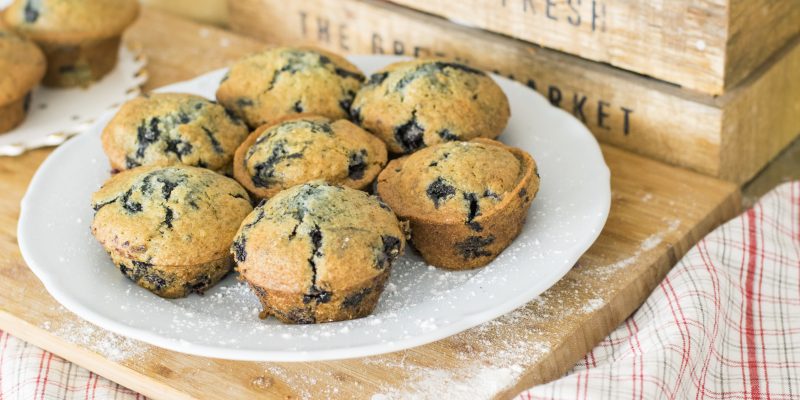
The Healthiest Breakfast Muffin You Will Actually Make Again
These are not the muffins you make once and forget about. Built with whole-milk yogurt, avocado oil, ground flaxseed, and vegetables, every ingredient is supporting a dancer’s energy and performance recovery. The blender trick for the wet ingredients takes two extra minutes and makes a noticeable difference in texture. Bake a batch on Sunday, and breakfast is handled for the entire week.
Read More...
Performance Recovery Nutrition for Dancers
What you eat after a performance can influence how you feel, recover, and perform in the days that follow. Recovery nutrition helps replenish energy stores, repair muscle tissue, support hydration, and reduce excessive fatigue. Yet many dancers overlook post-performance fueling because of travel schedules, adrenaline, or limited food access. In this article, you’ll learn how to build an effective recovery nutrition plan that supports both performance and longevity in dance.
Read More...
The Make-Ahead Kale Caesar Dancers Actually Want to Eat
Kale Caesar is the rare salad that actually gets better the longer it sits, which makes it the ideal meal-prep anchor for a full dance week. This large-batch dressing swaps the traditional raw egg base for Greek yogurt, adding a serious protein boost without losing any of the creamy, garlicky flavor a good Caesar demands. There’s also one simple olive oil trick that transforms tough kale leaves into something silky and restaurant-worthy in under two minutes. If you’ve been eating sad studio salads through tech week, this is the fix.
Read More...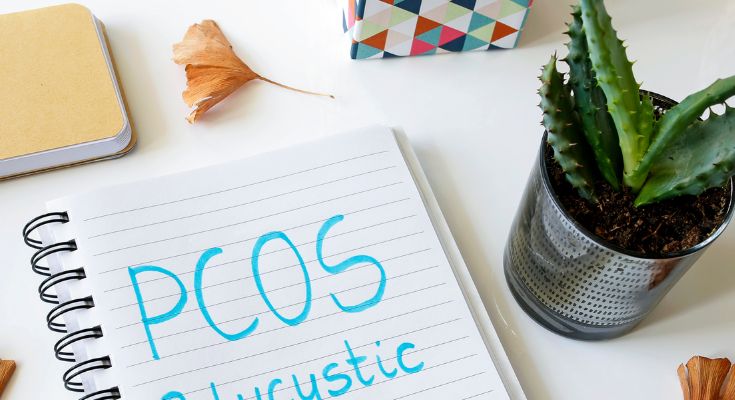
Managing PMOS (Formerly PCOS) As A Dancer
If you were previously diagnosed with Polycystic Ovary Syndrome (PCOS), you may have seen the news: the condition has a new name. A global panel of clinicians, researchers, and patient advocates has formally renamed polycystic ovary syndrome (PCOS) to polyendocrine metabolic ovarian syndrome (PMOS), marking a major shift in how the condition is understood and communicated in clinical care. This article has been updated to reflect that change and what it means for dancers managing this condition.
Read More...
Food Anxiety and How to Conquer It
Food anxiety is more than a passing worry. It’s a pattern rooted in real experiences that can quietly erode your relationship with nourishment. Whether it stems from food insecurity, a history of dieting, or the relentless body scrutiny that pervades the dance industry, the anxiety you feel around mealtimes is valid and deserves attention. The good news: it doesn’t have to define your experience with food forever. In this article, I break down the most common drivers of food anxiety in dancers and share actionable strategies to help you rebuild trust with your body, one meal at a time.
Read More...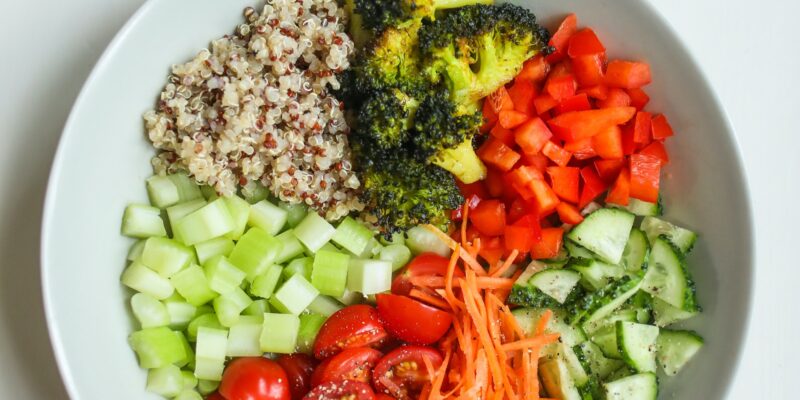
Anti-Inflammatory Diets: Will Dancers Benefit?
Anti-inflammatory diets are everywhere, but are they actually beneficial for dancers? While nutrition can absolutely support recovery, energy, and long-term health, many so-called “anti-inflammatory” diets can quickly turn into restrictive food rules. This article breaks down the science of inflammation, the role of lifestyle habits, and why flexibility and consistency matter far more than perfection. Here’s what dancers really need to know about inflammation, recovery, and sustainable nutrition.
Read More...
Understanding Emotional Restrictive Eating
When stress hits, some dancers lose their appetite completely, and it can feel confusing or even concerning. This pattern, often called emotional restrictive eating, can quietly increase the risk of under-fueling and impact both performance and recovery. The body still needs steady energy even when hunger cues disappear. Understanding what is happening physiologically is the first step toward staying supported through emotional stress.
Read More...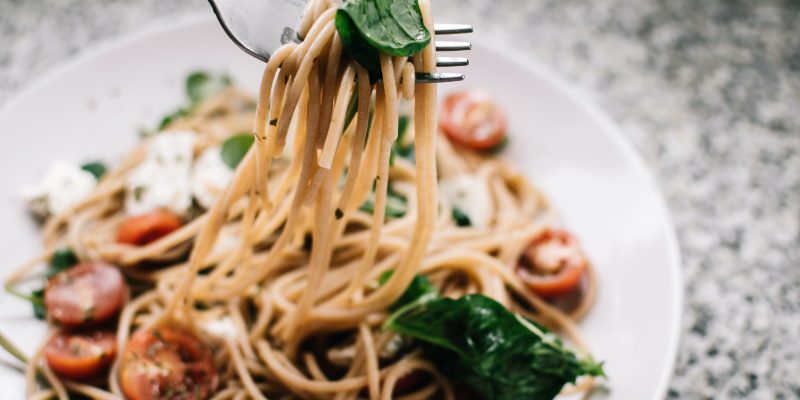
How To Stop Feeling Guilty After Eating- Overcoming Food Guilt
Food guilt is one of the most common struggles I see, especially among dancers. It can turn a simple snack or dessert into hours or even days of mental stress. The truth is, this guilt is not about food itself, but about learned rules and restrictions. In this post, you will learn practical steps to release food guilt and rebuild trust with your body.
Read More...