At some point in your dance training, you have likely heard strong opinions about supplements. Maybe a teacher swears by a green powder, a fellow dancer recommends magnesium for cramps, or social media promises better energy, faster recovery, and a leaner physique in a single scoop.
This article breaks down what dancers actually need to know about dietary supplements. We will cover what supplements are, why they are so heavily marketed, what the research really shows, and how to decide whether a supplement is appropriate for you.
What Is a Dietary Supplement?
The term dietary supplement is defined and regulated differently worldwide. In the United States, the FDA defines a dietary supplement as “a product intended to supplement the diet.” These products may contain vitamins, minerals, herbs, botanicals, amino acids, or protein isolates.
Dietary supplements come in many forms, including bars, drinks, powders, capsules, and tablets. Unlike prescription medications, which are designed to treat or manage disease, supplements are typically marketed as tools for prevention, optimization, or enhancement.
This distinction matters. The supplement industry is enormous, with an estimated U.S. market value of $37.2 billion in 2022 and a projected global value exceeding $185 billion in 2025. With that kind of financial incentive, supplements are often marketed with promises to “fix,” “correct,” or “prevent” health issues, even when strong scientific evidence is lacking.
What Is the Problem With Supplements?
One word explains most of the concern: regulation.
Though recognized and defined by the FDA, the supplement industry is largely unregulated. Much of this dates to the 1970s, when the FDA received backlash for proposing limits on the amount of vitamins and minerals that could be added to various foods. It was in 1994 when the Dietary Supplement Health and Education Act (DSHEA) significantly limited the FDA’s authority, making it illegal for the agency to require pre-market testing for safety or effectiveness.
In practical terms, this means:
- Supplements do not need FDA approval before being sold.
- Manufacturers are responsible for ensuring safety, not the FDA.
- Products can make broad health claims without strong scientific evidence.
As a result, supplements may contain ingredients that are undeclared, poorly dosed, or contaminated. For dancers, this lack of oversight is especially concerning due to health risks and anti-doping regulations.
What Does the Research Actually Say?
Research on supplements consistently urges caution.
- A 2016 New York Times investigation highlighted conflicting and often weak evidence supporting supplement use.
- A 2015 study found a significant number of hospitalizations linked to supplement use, particularly herbal and botanical products.
- A large 2022 review of 84 studies concluded that vitamin and mineral supplementation provides little to no benefit in preventing cancer, heart disease, or death for the general population.
While one small benefit was observed with multivitamin use and reduced cancer incidence, some supplements were actually associated with increased disease risk.
The takeaway is not that all supplements are harmful, but that more is not better, and evidence-based use matters.
Do Dancers Need Supplements?
Dancers are often compared to athletes for good reason. Training demands are high, recovery needs are significant, and energy requirements are substantial. When dancers do not consume enough calories or nutrients, deficiencies can develop.
Unfortunately, dancer diet culture often promotes eating less, skipping meals, or avoiding entire food groups. Over time, this increases the risk of nutrient deficiencies.
Common Micronutrient Gaps in Dancers
- Vitamin D
- Calcium
- Iron
- Zinc
- B Vitamins
- Vitamin E
Common Macronutrient Gaps in Dancers
- Fat (specifically omega-3 fatty acids)
- Carbohydrates
- Protein
When intake is inconsistent or restrictive, supplements can start to feel like an insurance policy. While supplementation may be medically necessary in certain situations, such as pregnancy or vegan diets, a food-first approach remains the foundation of dancer health.
Before deciding whether or not you can benefit from a nutrition supplement, consider the following:
How to Decide If a Supplement Is Right for You
#1: Make an Informed Decision
Supplement needs are highly individual. Before starting anything new, weigh the pros and cons.
Potential Benefits
- Can help fill nutrient gaps when intake is insufficient
- Electrolyte drinks may support hydration during intense training
- Can treat or prevent medically diagnosed deficiencies (ie. iron deficiency)
Potential Risks
- Supplements can be expensive and cause side effects (ie. constipation from iron tablets)
- Poor regulation increases contamination risk if ingredients are undeclared or even considered dangerous
- Some products contain ingredients banned by anti-doping codes
#2: Know When a Supplement Might Be Necessary
Evidence supporting supplements for performance enhancement is limited and often short-term or dependent on anecdotal reports. However, supplements may be appropriate when addressing confirmed deficiencies. Ask yourself:
Am I already consuming enough of this nutrient?
Avoid self-diagnosing. Blood work ordered by a physician can identify deficiencies, and a Registered Dietitian Nutritionist can assess dietary patterns to see which habits might be contributing to the insufficiency and what foods might be excluded from your diet. Among dancers, iron and vitamin D deficiencies are especially common.
How can I modify my food choices to get enough of this nutrient?
Often, small adjustments are enough. Increasing fruit and vegetable intake can improve vitamin C status. Adding dairy or fortified alternatives can improve calcium intake. Supplements should not replace these foundational changes.
Food preferences, allergies, and cultural or religious practices can also affect intake. Vegan dancers, for example, often require supplementation for vitamin B12 and may need additional iron support. In these cases, resources for plant-based meals help.
#3: Consider the Industry
Before purchasing a supplement, ask:
- Is there strong scientific evidence supporting this product for my specific concern?
- Is the supplement third-party tested?
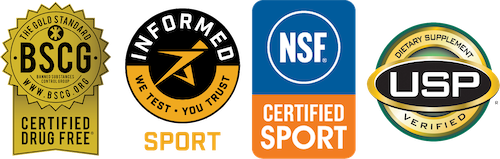
Working with a Registered Dietitian Nutritionist, especially one who is a Certified Specialist in Sports Nutrition, can help translate research into practical guidance. This often involves looking for third-party testing from organizations such as:
- NSF Certified for Sport
- Informed Choice or Informed Sport
- USP Verified
- BSCG Certified Drug-Free
#4: What About a Daily Multivitamin?
A daily multivitamin can help fill minor nutrient gaps, but it cannot replace whole foods. Multivitamins lack the fiber and bioactive compounds found in fruits and vegetables. This is also true for green powders. While popular, most are expensive and do not provide the same benefits as eating actual vegetables.
For food-first guidance, explore:
#5: What About Protein Powders?
Protein powders do not enhance muscle adaptation beyond what adequate dietary protein already provides. However, they can be a convenient option when schedules make regular meals challenging.
Even with protein, a food-first approach is always encouraged. Beans, lentils, poultry, fish, eggs, yogurt, nuts, and seeds can meet protein needs without supplements. If you choose a protein powder:
- Select a third-party tested whey or plant-based option
- Limit use to one serving per day or a few times per week
To learn more about protein supplements for dancers, click here.
The Bottom Line:
For most dancers, supplements are unnecessary when the diet is well-planned and adequately fueled. Chronic restriction increases deficiency risk and undermines health and performance. On the other hand, excessive supplementation can disrupt nutrient balance and cause harm.
Before starting any supplement, consult a qualified medical professional, such as a Registered Dietitian Nutritionist, who understands the unique demands of dancers. As a start, I offer a free 7-day membership trial that focuses on this exact topic. Click here to enroll.