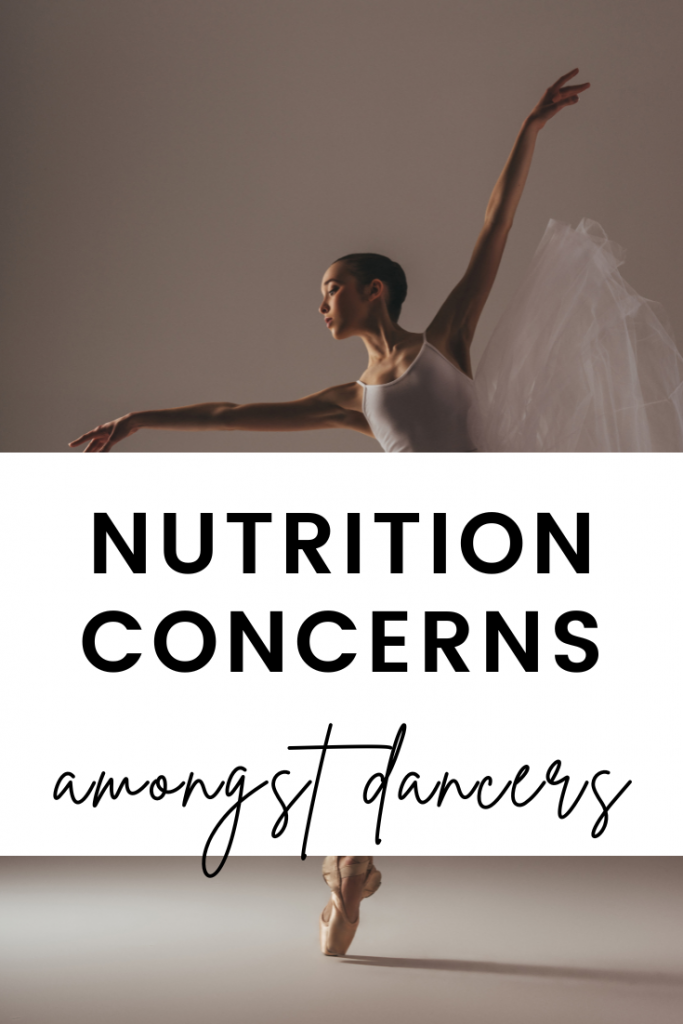
Dancers face unique nutritional challenges shaped by demanding training schedules and the persistent pressure to meet body ideals that continue to permeate the industry. Balancing the physical intensity of dance with adequate nourishment can feel like walking a tightrope, especially when misinformation from diet culture blurs what “healthy” really means.
Whether you’re a dancer or a clinician supporting one, understanding these challenges is the first step toward building a sustainable, empowered relationship with food. Below, we’ll explore the most common nutrition concerns dancers face and how to address each one.
#1: Appetite Dysregulation
For many dancers, a consistent eating rhythm is difficult to maintain. Long rehearsal blocks, food-restricted studio policies, and busy academic schedules make it easy to forget to eat. Add performance anxiety or pre-audition nerves, and a dancer’s appetite can vanish altogether. These fluctuations often lead to extremes— periods of low hunger followed by intense cravings and even binge episodes.
This cycle, known as appetite dysregulation, makes it hard to tune into your body’s internal cues. The hunger- and fullness-scale can be an invaluable tool here, helping dancers reconnect with internal sensations of hunger and satisfaction. But in a dancer’s lifestyle, practical hunger— the intentional act of eating before you’re physically hungry— can be just as essential.
Think of practical hunger as proactive fueling: eating because your body will need energy, even if it’s not yet sending strong hunger signals. Building a flexible, predictable meal structure, rather than waiting for obvious signs of hunger, can help stabilize energy, support focus, and prevent those energy crashes that often lead to overeating later on.
Related reading: Understanding the 5 Types of Hunger
#2: Vulnerability to Wellness Trends
Compared to the general population, dancers are up to three times more likely to develop a clinical eating disorder like anorexia nervosa. But disordered eating among dancers doesn’t always look like extreme restriction. It can also show up as constant food preoccupation, guilt after eating, or chronic attempts to “eat clean.”
Many dancers believe their challenge is overeating; that they’re eating “too much,” “too often,” or “too emotionally.” Yet, in most cases, this perception stems from chronic restriction. Diet culture sets unrealistic standards for what constitutes a “normal” portion or meal, convincing dancers that eating to true satisfaction is excessive or indulgent.
Restriction isn’t just eating too few calories; it can also be mental restriction: the pressure to eat “in moderation,” the desire to “be good” with food, or relying on “willpower.” Even when caloric intake appears adequate, this mindset drives disconnection from hunger and fullness cues and fuels feelings of loss of control around food.
To protect yourself, be discerning about where you get nutrition advice. Social media “wellness” trends often promote pseudo-science and rigid rules disguised as “healthy habits.” True nourishment comes from balance, flexibility, and trust, not from external control or fear.
#3: Dieting and The Risk of Injury
Nutrition is not just about aesthetics; it’s about function. Dancers who chronically underfuel risk low energy availability, fatigue, and an increased chance of overuse injuries like stress fractures. Building strong bones and resilient muscles starts with consistent energy intake.
Key nutrients for injury prevention include:
- Complex carbohydrates (whole grains, potatoes, fruits, legumes) to replenish glycogen and fuel endurance.
- Calcium and vitamin D from dairy or fortified alternatives to strengthen bones.
- Fat, particularly omega-3s from sources like salmon, walnuts, or chia seeds, to support joint health and reduce inflammation.
But most importantly, none of these nutrients matter without adequate total energy intake. The most protective dietary strategy a dancer can adopt is moving from a mindset of scarcity to one of allowance. This shift enables your body to repair, adapt, and grow stronger after training.
The Bottom Line
Dancers remain vulnerable to nutrition concerns that, if unaddressed, can threaten both performance and long-term well-being. The solution isn’t a more “perfect” diet, it’s a deeper understanding of how food fuels artistry, strength, and joy.
By learning to eat consistently, question wellness myths, and prioritize nourishment over perfection, dancers can reclaim trust in their bodies and sustain their careers for years to come. At The Healthy Dancer®, we dive deeper into these topics through community programs, workshops, and resources designed to help you rebuild your relationship with food and movement.
For more in-depth guidance, explore The Healthy Dancer® and my work with Dance Masterclass to start building your own foundation of strength, energy, and confidence.
10+ Dancer Nutrition Mistakes to Avoid ASAP!
- Not eating enough
- Obsessing over ingredients
- Eating too few carbs
- Tracking calories or macros
- Skipping sources rich in fat in your meals and snacks
- Only prioritizing protein
- Spending more time on meal planning, and less time dancing
- Stressing over your meals
- Avoiding favorite foods (especially dessert!)
- Accessing nutrition advice from those not qualified