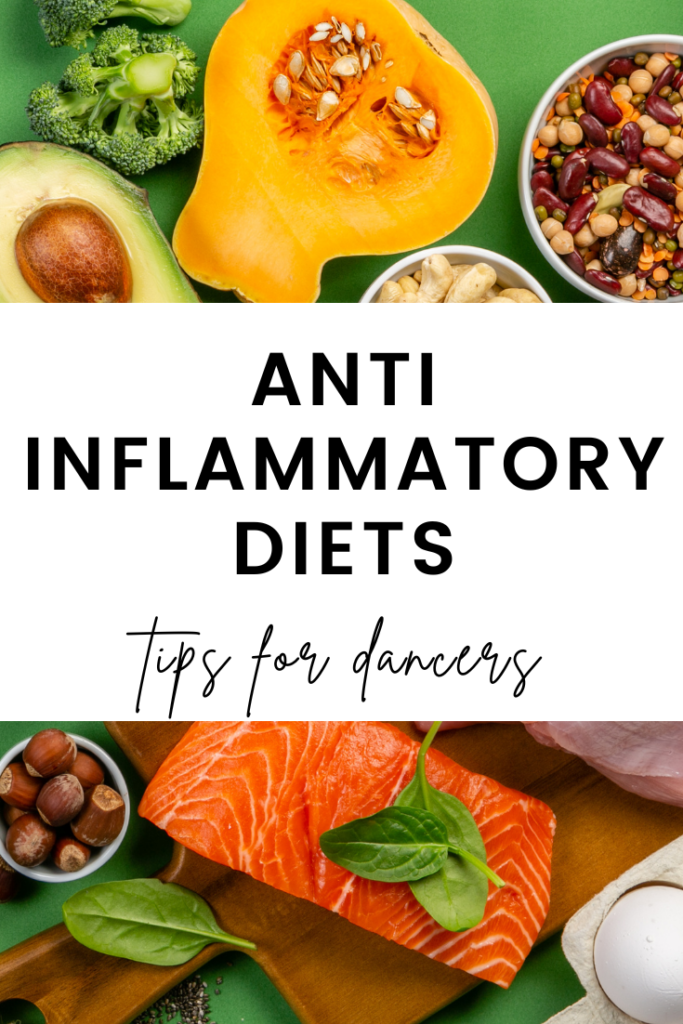
Anti-inflammatory diets have become increasingly popular among dancers seeking better recovery, performance, and longevity. With conversations around inflammation dominating social media and nutrition trends, it’s understandable why many wonder whether adopting an “anti-inflammatory” way of eating could improve their health or support their training.
But is an anti-inflammatory diet truly the key to optimal performance and recovery for dancers? Or has the concept become overly simplified and, at times, unnecessarily restrictive?
What Is Inflammation?
Inflammation is the body’s natural response to physical stress, injury, illness, or irritation. Contrary to the way it’s often portrayed online, inflammation itself is not inherently bad. In fact, it plays an essential role in healing and recovery.
There are two primary types of inflammation: acute inflammation and chronic inflammation.
Acute Inflammation
Acute inflammation is short term and occurs in response to an injury, infection, or physical trauma. Examples include:
- Recovering from a stress fracture
- Healing after a sprained ankle
- Fighting off an illness
- Responding to allergens
Symptoms such as swelling, redness, increased blood flow, warmth, or soreness are all signs that the body is working to heal itself. While uncomfortable, this inflammatory response is protective and necessary. For dancers, acute inflammation is often part of the recovery process after intense rehearsals, performances, or injuries.
Chronic Inflammation
Chronic inflammation is different. It refers to a prolonged, low-grade inflammatory state that may persist over time. Research has associated chronic inflammation with conditions such as:
- Cardiovascular disease
- Type 2 diabetes
- Metabolic syndrome
- Certain autoimmune conditions
However, the relationship is complex. Researchers are still investigating whether chronic inflammation is the cause of these conditions, a symptom of them, or both. What’s important to understand is that chronic inflammation is influenced by many factors, not simply one “bad” food or ingredient.
Inflammation and Lifestyle Choices
Over time, research has identified associations between chronic inflammation and various lifestyle factors, including:
- Physical inactivity
- Chronic psychological stress
- Poor sleep quality
- Smoking
- Excessive alcohol intake
- Certain chronic medical conditions
Nutrition is often pulled into these discussions, but wellness culture tends to oversimplify the issue by framing foods as either “anti-inflammatory” or “pro-inflammatory.”
In reality, inflammation is far more nuanced than that.
The Role of Food and Nutrition in Chronic Inflammation
If you search online for ways to reduce inflammation, you’ll likely find endless lists of foods labeled “good” or “bad.” Foods commonly criticized as “pro-inflammatory” include:
- Processed meats such as bacon, deli meat, and hot dogs
- Deep-fried foods and trans fats
- Sugary beverages and added sweeteners
- Highly processed snack foods rich in refined carbohydrates
While diets high in these foods and low in nutrient variety may be associated with poorer health outcomes over time, that does not mean these foods alone are the direct cause of chronic inflammation. Nor does it mean dancers need to completely eliminate them.
This is where wellness culture often becomes problematic.
Restrictive messaging can quickly create fear around food, especially for dancers already vulnerable to perfectionism and body pressure. Labeling foods as “toxic” or “inflammatory” may unintentionally reinforce rigid eating habits, guilt, and anxiety around meals.
Ironically, those stressors themselves may negatively impact overall well-being.
The Missing Context in Anti-Inflammatory Conversations
When conversations about inflammation focus only on eating “clean” or exercising more, they often ignore several important contributors to stress and recovery.
Weight Cycling and Restrictive Dieting
Research suggests that weight cycling, repeatedly losing and regaining weight, may contribute to prolonged inflammation. Restrictive dieting can also increase physical and emotional stress on the body. For dancers, cycles of restriction followed by overeating or burnout can be particularly harmful to both performance and mental well-being.
Overtraining and Excessive Exercise
While movement supports health, intense training without adequate recovery can elevate inflammatory markers. This is especially relevant in dance environments where overtraining is normalized and rest is undervalued. Recovery is not a sign of weakness. It is an essential component of performance.
Weight Stigma and Chronic Stress
Research also suggests that experiencing weight stigma and body-based pressure may contribute to chronic stress responses within the body. For dancers navigating appearance-focused environments, this matters. Constant body monitoring, comparison, or fear around food can create significant psychological stress that often goes overlooked in conversations about “healthy eating.”
Access to Food Matters
Anti-inflammatory diets also tend to assume equal access to fresh, minimally processed foods. In reality, access to these foods isn’t the same for everyone.
- Budget
- Geographic location
- Time
- Food availability
- Family and cultural dynamics
When nutrition advice ignores these realities, it can create unnecessary shame, pressure, and you guessed it… disordered eating.
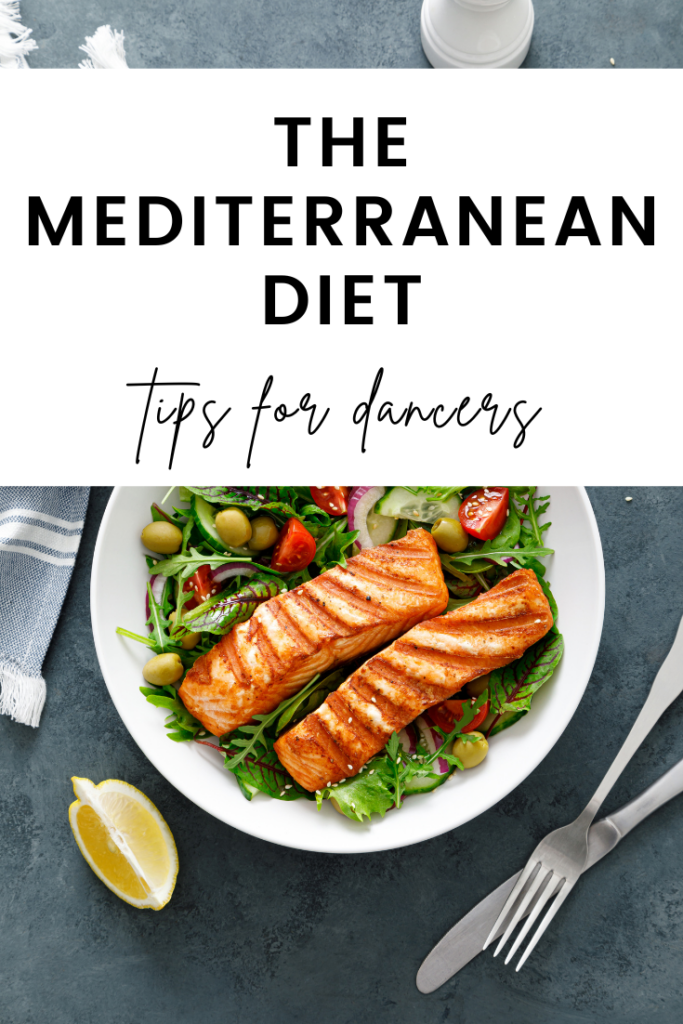
The Mediterranean Diet and “Anti-Inflammatory” Eating
The Mediterranean diet is frequently described as one of the most researched dietary patterns for supporting long-term health. Year after year, it prevails in the rankings as a gold-standard option.
Generally, the Mediterranean diet emphasizes:
- Fruits and vegetables
- Whole grains
- Beans and legumes
- Nuts and seeds
- Olive oil and plant-based fats
- Fish and lean proteins
At the same time, foods higher in animal fats or added sugars are often minimized.
Some studies suggest that Mediterranean-style eating patterns may support heart health and help lower certain inflammatory markers. However, it’s important to recognize that nutrition research is rarely perfect. Some studies have limitations in design, funding sources, or interpretation.
Additionally, even dietary patterns considered “balanced” can become problematic if interpreted rigidly. For dancers vulnerable to disordered eating, any anti-inflammatory diet plan centered around strict food rules may increase anxiety and obsession with food choices. A diet does not have to be labeled “healthy” to become harmful when taken to extremes.
So, Should Dancers Follow an Anti-Inflammatory Diet?
Rather than chasing a perfect “anti-inflammatory” diet, dancers may benefit more from focusing on sustainable, supportive habits that promote both physical and mental well-being.
That includes:
- Eating consistently throughout the day
- Incorporating a variety of foods
- Including carbohydrates, protein, and fats at meals
- Supporting recovery after training
- Getting adequate sleep
- Managing stress
- Allowing flexibility with food choices
Nutrition should support your life and training, not consume it.
Including nutrient-dense foods when accessible can absolutely be beneficial. Foods rich in vitamins, minerals, antioxidants, and healthy fats may support recovery and overall health. But these foods do not need to come at the expense of flexibility, enjoyment, or peace around eating. For dancers, gentle nutrition often works far better than rigid rules.
A More Sustainable Approach for Dancers
Instead of obsessing over whether a food is “inflammatory,” consider asking:
- Does this meal help me feel energized?
- Am I eating consistently enough to support training?
- Am I allowing flexibility with food?
- Am I supporting recovery and rest?
- Is my relationship with food becoming more stressful?
These questions are often far more meaningful than eliminating a specific ingredient or following the latest wellness trend. Tools such as food flexibility, consistent fueling, stress management, sleep, mindful movement, and adequate recovery can all support long-term health without increasing food fear or rigidity.
At the end of the day, dancers deserve nutrition guidance that supports both performance and well-being, not more rules to follow.