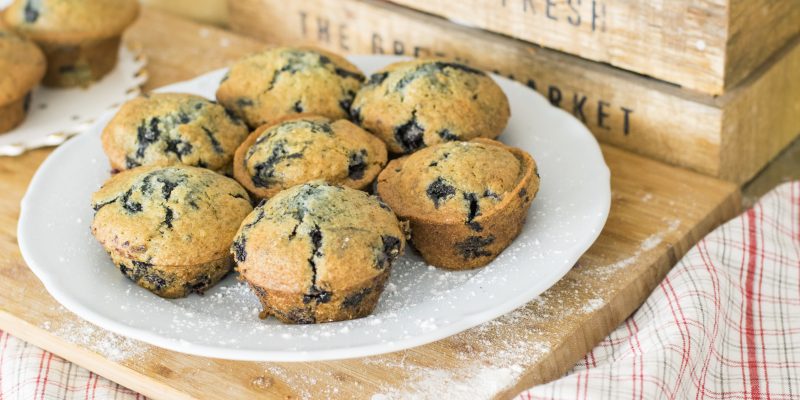
The Healthiest Breakfast Muffin You Will Actually Make Again
These are not the muffins you make once and forget about. Built with whole-milk yogurt, avocado oil, ground flaxseed, and vegetables, every ingredient is supporting a dancer’s energy and performance recovery. The blender trick for the wet ingredients takes two extra minutes and makes a noticeable difference in texture. Bake a batch on Sunday, and breakfast is handled for the entire week.
Read More…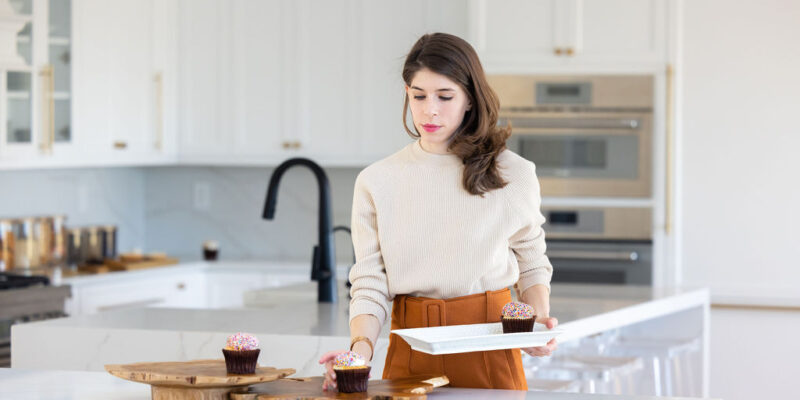
Performance Recovery Nutrition for Dancers
What you eat after a performance can influence how you feel, recover, and perform in the days that follow. Recovery nutrition helps replenish energy stores, repair muscle tissue, support hydration, and reduce excessive fatigue. Yet many dancers overlook post-performance fueling because of travel schedules, adrenaline, or limited food access. In this article, you’ll learn how to build an effective recovery nutrition plan that supports both performance and longevity in dance.
Read More…
The Make-Ahead Kale Caesar Dancers Actually Want to Eat
Kale Caesar is the rare salad that actually gets better the longer it sits, which makes it the ideal meal-prep anchor for a full dance week. This large-batch dressing swaps the traditional raw egg base for Greek yogurt, adding a serious protein boost without losing any of the creamy, garlicky flavor a good Caesar demands. There’s also one simple olive oil trick that transforms tough kale leaves into something silky and restaurant-worthy in under two minutes. If you’ve been eating sad studio salads through tech week, this is the fix.
Read More…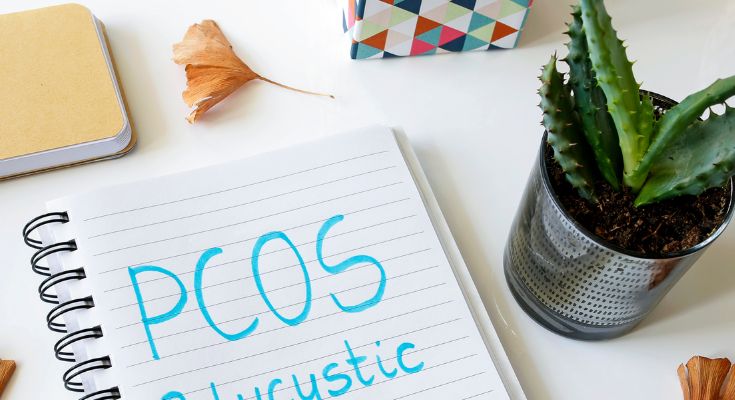
Managing PMOS (Formerly PCOS) As A Dancer
If you were previously diagnosed with Polycystic Ovary Syndrome (PCOS), you may have seen the news: the condition has a new name. A global panel of clinicians, researchers, and patient advocates has formally renamed polycystic ovary syndrome (PCOS) to polyendocrine metabolic ovarian syndrome (PMOS), marking a major shift in how the condition is understood and communicated in clinical care. This article has been updated to reflect that change and what it means for dancers managing this condition.
Read More…
Food Anxiety and How to Conquer It
Food anxiety is more than a passing worry. It’s a pattern rooted in real experiences that can quietly erode your relationship with nourishment. Whether it stems from food insecurity, a history of dieting, or the relentless body scrutiny that pervades the dance industry, the anxiety you feel around mealtimes is valid and deserves attention. The good news: it doesn’t have to define your experience with food forever. In this article, I break down the most common drivers of food anxiety in dancers and share actionable strategies to help you rebuild trust with your body, one meal at a time.
Read More…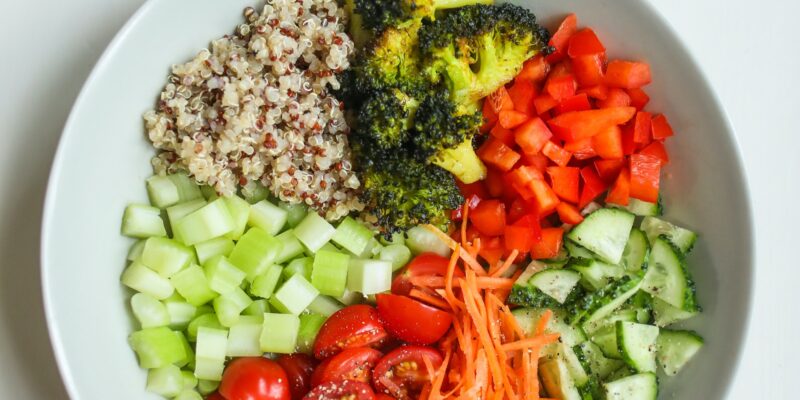
Anti-Inflammatory Diets: Will Dancers Benefit?
Anti-inflammatory diets are everywhere, but are they actually beneficial for dancers? While nutrition can absolutely support recovery, energy, and long-term health, many so-called “anti-inflammatory” diets can quickly turn into restrictive food rules. This article breaks down the science of inflammation, the role of lifestyle habits, and why flexibility and consistency matter far more than perfection. Here’s what dancers really need to know about inflammation, recovery, and sustainable nutrition.
Read More…